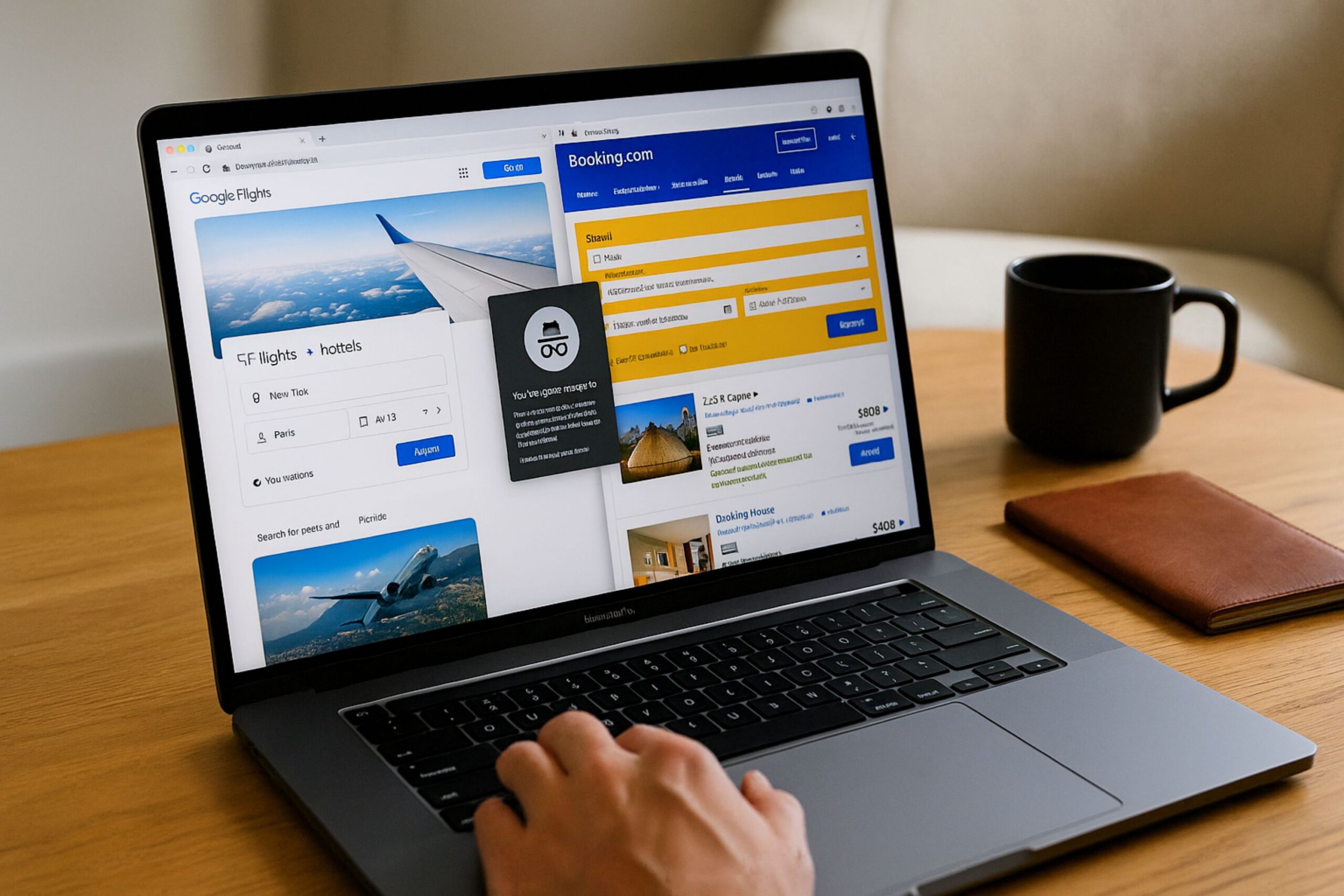

Group bookings can be more expensive due to dynamic pricing, but not always. Airlines and booking systems use dynamic pricing algorithms that adjust ticket prices based on demand, seat availability, booking timing, and search behavior. When multiple seats are booked at once, the system may price all tickets at a higher fare class if cheaper seats are no longer available in sufficient quantity.
In practice, this means that booking 6–10 tickets together can trigger a price jump. Airline inventory is divided into fare buckets, and once the lower-priced seats are sold out – even partially – the system automatically moves the entire group into the next price tier. This is one of the key reasons group flight bookings often appear higher than individual reservations.
At the same time, group travel pricing is not always a disadvantage. Some airlines offer dedicated group booking programs with negotiated rates, flexible payment terms, or free name changes. However, these benefits don’t always guarantee lower prices, especially on high-demand routes or during peak travel seasons.
How Dynamic Pricing Affects Group Flight Bookings
Dynamic pricing directly impacts group bookings by increasing the average ticket price when multiple seats are requested in one transaction. The system prioritizes revenue optimization, meaning it may skip cheaper fare classes if they cannot accommodate the full group.
For example, if only three seats remain at a lower fare and a user searches for five tickets, the booking engine may display all five seats at a higher price tier. This creates the impression that prices are rising simply because of group size, when in reality they’re driven by fare-class availability.
Airlines also track booking patterns and demand signals. If a route is trending or seats are filling quickly, prices can increase in real time. This makes group ticket booking timing critical—delays can result in noticeably higher costs.
Why Booking Tickets Separately Can Sometimes Be Cheaper
Booking tickets separately can sometimes reduce costs because it allows travelers to secure remaining lower-priced seats individually rather than being pushed into a higher fare class as a group.
When tickets are purchased one by one or in smaller batches, you can capture cheaper fare buckets before they disappear. This strategy is especially useful when availability is limited or prices are fluctuating quickly.
However, there are trade-offs. Separate bookings may result in passengers being seated apart, different ticket conditions, or complications with changes and cancellations. For families or organized groups, this can create logistical challenges that outweigh the potential savings.
When Group Booking Discounts Actually Apply
Group booking discounts apply in specific situations, usually when booking directly through airline group travel departments or travel agencies. These discounts are more common for large groups, typically 10 or more passengers on the same itinerary.
Instead of standard dynamic pricing, airlines may offer fixed or negotiated fares, along with benefits such as deposit-based reservations, flexible ticketing, and coordinated seating. This can be valuable for school trips, corporate travel, or event-based bookings.
Still, these group rates are not always cheaper than public fares. Airlines balance flexibility with pricing, so the final cost may be similar—or sometimes higher—than booking individually during low-demand periods.
Best Strategies to Avoid Overpaying for Group Flights
To avoid overpaying for group flight bookings, travelers should combine early booking, flexible search strategies, and fare comparison methods. Dynamic pricing increases costs when demand rises or lower fare classes are limited, so the goal is to secure cheaper seats before they disappear or avoid triggering higher pricing tiers when booking multiple tickets.
Start by researching flight availability and price trends before making a purchase. Check how many seats are left at different price levels and test searches with smaller group sizes. This helps identify whether booking all tickets together will push the price into a higher fare class.
Splitting bookings into smaller batches can often reduce the total cost. Instead of booking 8–10 tickets at once, try purchasing in pairs or smaller groups to capture remaining lower fares. This approach works best when seat availability is limited but still spread across multiple pricing tiers.
Booking early remains one of the most reliable ways to secure better prices. Airlines release cheaper fare classes months in advance, and these are quickly taken as demand increases. For group travel, waiting too long almost always results in higher costs due to reduced availability.
Flexibility also plays a major role. Adjusting travel dates, departure times, or even nearby airports can significantly impact pricing. Midweek flights and off-peak travel periods typically offer lower fares, which is especially useful when booking for larger groups.
It’s also worth comparing standard online booking prices with airline group travel programs. For larger groups, contacting the airline directly may provide added flexibility, such as holding seats with a deposit or making name changes later, even if the price is similar.
Finally, monitor prices and act quickly when you find a suitable fare. Flight prices can change within hours due to demand signals and booking activity. Using fare alerts or tracking tools can help you identify the right moment to book without overspending.